If you’ve ever picked up a tiny bottle of essential oil and thought, “This smells amazing… but now what?” you are very much not alone.
Essential oils can feel confusing when you’re first starting out. There’s a lot of advice out there, a lot of opinions, and sometimes it feels like everyone else got a secret handbook that you somehow missed. Spoiler alert. You didn’t.
This guide is for complete beginners. The curious. The slightly overwhelmed. The women who want calm, cosy, feel-good vibes without turning it into a full-time hobby.
You don’t need a cupboard full of oils. You don’t need to memorise Latin plant names. And you definitely don’t need to do everything perfectly.
In this Essential Oils 101 guide, I’m going to walk you through what essential oils actually are, how people use them in real everyday life, and how to get started safely and confidently. No pressure. No overwhelm. Just simple, practical guidance that helps you feel good in your own space.
Because self-care should feel supportive, not stressful. And essential oils? They’re here to make life feel a little softer, calmer, and more you. 💕
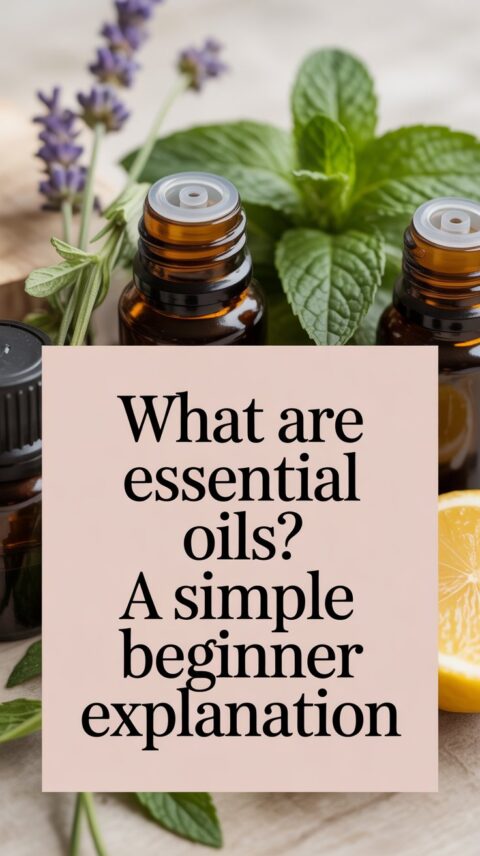
What Are Essential Oils? A Simple Explanation
Let’s strip this right back and keep it beautifully simple.
Essential oils are highly concentrated extracts taken from plants. They come from things like flowers, leaves, peels, bark, or roots, and they capture the plant’s natural scent and properties in oil form.
Think of them as the plant’s essence bottled up. That’s literally where the name comes from.
Here’s the beginner friendly version
• Lavender oil comes from lavender flowers
• Lemon oil comes from lemon peel
• Peppermint oil comes from peppermint leaves
No mystery. No magic spells. Just plants doing their thing.
Because they’re so concentrated, essential oils smell stronger than the plant itself and a little goes a very long way. This is why you’ll see tiny bottles everywhere and why people keep saying things like “less is more”. They’re not being dramatic. They’re being sensible.
People have been using plant oils for centuries in different cultures for things like relaxation, rituals, and wellbeing. These days, most of us use them in much more everyday ways, like
• Making our homes smell calm and cosy
• Creating simple self care routines
• Supporting relaxation at the end of a long day
And before your brain jumps ahead, no, you don’t need to know how they’re distilled or memorise fancy plant names to use them properly. That knowledge is optional, not a requirement.
For now, all you need to know is this
Essential oils are natural, powerful, and best used gently and intentionally.
You’re not late. You’re not behind. You’re exactly where you need to be to start. ✨
Why People Love Using Essential Oils
Once you get past the pretty bottles and the fancy names, the real reason people love essential oils is actually very simple.
They make everyday life feel better.
Essential oils are often used to support how we feel, both physically and emotionally, especially when life feels busy, loud, or a bit overwhelming. They’re an easy way to add a sense of calm, comfort, or energy without changing your whole routine.
Here are some of the most common reasons people reach for them.
To relax and unwind
Scents like lavender or chamomile are often used in the evening to help the body and mind slow down. A few drops in a diffuser or as part of a bedtime routine can signal that it’s time to switch off and rest.
To support better sleep routines
Many people use essential oils as part of a wind down ritual rather than a “sleep fix”. The scent becomes a cue for relaxation, helping your body recognise when it’s time to rest.
To lift mood and energy
Fresh, bright scents like citrus oils are popular in the morning or during an afternoon slump. They can make a space feel lighter, cleaner, and more energising, especially when motivation is running low.
To create a calm, cosy home
This is a big one. Essential oils are often used simply to make a home feel inviting and peaceful. Diffusing oils can be a natural alternative to synthetic air fresheners and can completely change the atmosphere of a room.
To build simple self care rituals
For many women, essential oils are less about “fixing” something and more about intention. Lighting a candle, adding a scent you love, and taking a few quiet minutes for yourself can feel grounding and nurturing.
And here’s something important to say out loud.
Essential oils are not about perfection, productivity, or doing more. They’re about creating small moments that feel supportive, calming, or uplifting in a way that fits into your real life.
You don’t need to use them every day. You don’t need to love every scent. And you don’t need a complicated routine.
If it smells good to you and makes your space feel nicer, you’re doing it right. 💕
The Best Essential Oils for Complete Beginners
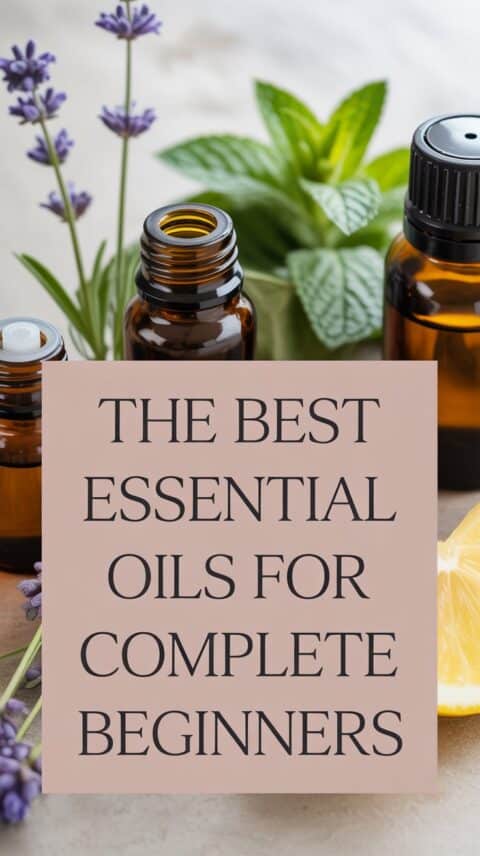
When you’re just starting out, less really is more. You do not need a giant collection or a special storage shelf. A small handful of versatile oils is more than enough to get a feel for what you like and how you enjoy using them.
Here are some of the most beginner friendly essential oils and why they’re so popular.
Lavender
This is often the first oil people try, and for good reason. Lavender is known for its calming, soothing scent and is commonly used in evening routines. Many people enjoy it for relaxation, winding down after a long day, or creating a peaceful bedroom vibe.
Peppermint
Fresh, cool, and energising. Peppermint is often used when you want to feel more awake or refreshed. It’s a favourite for mornings, workspaces, or those afternoons when your energy dips and you need a little boost.
Lemon
Bright, clean, and uplifting. Lemon oil is popular for making spaces feel fresh and light. Many people use it in diffusers during the day or when they’re tidying up, as it can make a room feel instantly more cheerful.
Eucalyptus
Crisp and spa-like, eucalyptus is often used to create a sense of clarity and deep breathing. It’s a favourite in bathrooms and showers and is great when you want your home to feel calm, clean, and refreshing.
Tea Tree
This one has a stronger, more medicinal scent, but it’s incredibly versatile. Tea tree is often used in cleaning routines or diluted for specific skin-related uses. A little goes a very long way.
If you’re choosing your first oils, start with one or two that genuinely appeal to you. There’s no prize for owning oils you never use. Your nose knows.
A simple beginner approach
• Pick one calming oil
• Pick one fresh or uplifting oil
• Learn how to use them safely
• Notice how they make you feel
That’s it. No rush. No pressure.
Once you know what you enjoy, you can always expand your collection later. But starting small is not playing small. It’s smart, confident, and very beginner friendly. ✨
How to Use Essential Oils Safely (Without Fear)
Let’s get one thing clear right away. Essential oils are lovely, but they are also powerful. That doesn’t mean they’re dangerous. It just means they deserve a little respect and common sense.
The good news? Safe use is actually very simple.
Dilution matters
Essential oils are highly concentrated, which means they should almost always be diluted before touching your skin. This usually means mixing a few drops of essential oil with a carrier oil like coconut, jojoba, or almond oil. More drops does not equal better results. In fact, less is usually more.
Skin safety basics
Before using a new oil on your skin, it’s a good idea to do a patch test. Apply a small amount of diluted oil to a small area and wait 24 hours. If your skin is happy, you’re good to go.
Avoid using essential oils neat, meaning straight from the bottle, especially if you’re a beginner. This is one of the most common mistakes and completely unnecessary for everyday use.
Diffusing essentials
When diffusing, you only need a few drops. Your home should smell gently pleasant, not like you’ve tipped the whole bottle in. Always follow your diffuser’s instructions and take breaks rather than running it all day.
Who should be extra cautious
If you’re pregnant, have sensitive skin, asthma, or other health concerns, it’s wise to do a little extra research or speak to a professional before using essential oils regularly.
A gentle reminder
Essential oils are not a cure all and they’re not meant to replace medical care. Think of them as supportive, comforting tools, not miracle fixes.
Used thoughtfully, essential oils can be a beautiful addition to your self care routine. Calm, intentional, and respectful use is where the magic really happens. 💕
Easy Ways to Use Essential Oils at Home
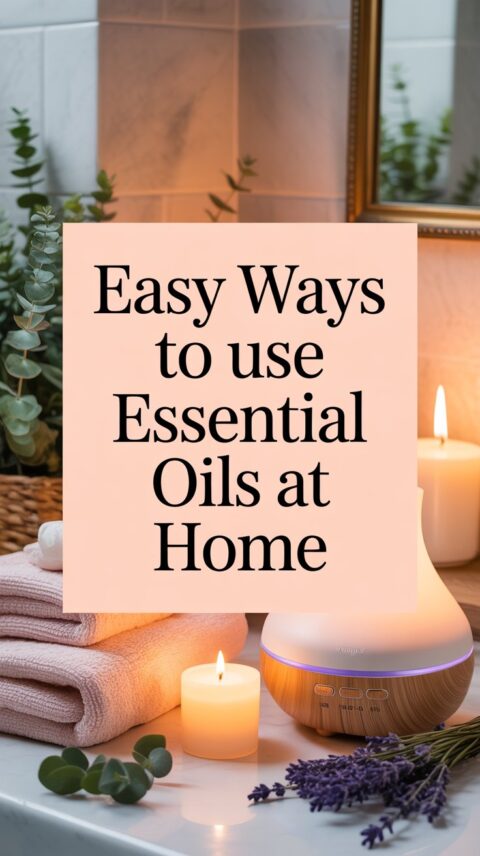
This is where essential oils really shine. You do not need complicated recipes or a full afternoon of DIY. Simple, everyday use is more than enough to enjoy them.
Here are some beginner friendly ways to start.
Using a diffuser
This is one of the easiest and most popular options. Add water to your diffuser, drop in a few drops of essential oil, and let the scent gently fill the room. Diffusers are lovely for
• Creating a calm evening atmosphere
• Freshening up your living space
• Adding a cosy vibe while you relax, journal, or read
Start with 3 to 5 drops. If you can smell it clearly, that’s enough.
Roll ons for everyday calm
Roll ons are a simple way to use essential oils on the go. You dilute essential oils with a carrier oil and apply them to pulse points like wrists or behind the ears. They’re great for moments when you want calm, grounding, or focus during the day.
You can buy ready made roll ons or make your own later once you feel more confident.
Bath and shower rituals
Essential oils can turn an ordinary bath or shower into a spa-like moment. For baths, oils should always be mixed with something like a carrier oil or bath salts first. Never add them directly to the water on their own.
For showers, a few drops on the shower floor away from direct water flow can release a gentle scent as the steam rises.
Creating simple routines
This is where essential oils really earn their place. You might
• Diffuse lavender while winding down in the evening
• Use lemon oil in the morning to freshen your space
• Add eucalyptus to your bathroom for a calm, spa feel
The routine matters more than the oil. The scent becomes a cue for how you want to feel.
You do not need to use essential oils all the time. Choose moments that feel supportive and intentional. When it feels good, you’re doing it right. ✨
How to Choose Good Quality Essential Oils
Once you start browsing essential oils, you’ll quickly notice there’s a huge range of prices, brands, and very confident claims. This is where beginners often feel unsure, so let’s make it feel simple and empowering instead.
You do not need the most expensive oils on the market, but quality does matter.
Check the label
A good quality essential oil should clearly state the plant name and the part of the plant used. Bottles should be dark glass, usually amber or blue, to protect the oil from light. If the label is vague or missing key details, that’s a red flag.
Avoid synthetic fragrance oils
Essential oils are not the same as fragrance oils. Fragrance oils are usually synthetic and designed to smell nice rather than offer the natural plant properties people look for in essential oils. If it says “fragrance oil” or “perfume oil”, it’s not what you’re after here.
Be wary of very cheap oils
If the price seems too good to be true, it probably is. Some oils are expensive to produce, so extremely low prices can mean dilution or poor quality ingredients. That said, expensive does not automatically mean better either.
Trust reputable brands
Look for brands that are transparent about sourcing, testing, and how their oils are produced. You do not need to join a membership, sell products, or commit to a lifestyle to buy good essential oils.
Buy small to start
As a beginner, small bottles are perfect. Essential oils last a long time and buying less allows you to experiment without feeling overwhelmed or wasting money.
Choosing essential oils should feel calm and confident, not like an exam you need to pass. A little awareness goes a long way, and your collection can grow slowly as you learn what you love. 💕
Reputable Essential Oil Brands for Beginners
Neal’s Yard Remedies
A brilliant option if you’re UK based or shopping in Europe. Neal’s Yard is known for high quality, ethically sourced essential oils and a strong focus on sustainability. Their oils are clearly labelled and very beginner friendly.
👉 https://www.nealsyardremedies.com
Tisserand Aromatherapy
This is a favourite among aromatherapy professionals and beginners alike. Tisserand is very transparent about safety, sourcing, and usage, which makes them especially reassuring if you’re new to essential oils.
👉 https://www.tisserand.com
Plant Therapy
Plant Therapy is known for excellent quality at accessible prices and clear educational resources. They publish testing information and offer lots of beginner guidance, which takes the guesswork out of buying.
👉 https://www.planttherapy.com
A gentle reminder worth repeating.
You do not need to be loyal to one brand forever. You do not need to buy everything at once. And you definitely do not need to be talked into oils you don’t actually want.
Start with one or two oils from a brand you trust and build from there. Calm, confident, and completely on your terms. ✨
Common Beginner Mistakes and Myths
This is the part where we gently clear up the stuff that makes essential oils feel more complicated than they need to be. If you’ve thought any of these things, congratulations. You’re completely normal. 💁♀️
Myth: You need loads of oils to get started
You really don’t. A small collection of 3 to 5 oils is more than enough for beginners. Having fewer oils actually helps you learn what you enjoy and what works for you, instead of feeling overwhelmed by choice.
Myth: If a little is good, more must be better
Nope. Essential oils are concentrated, which means using more does not make them more effective. It usually just makes things smell overpowering and increases the chance of irritation. Gentle use is the goal.
Mistake: Using oils straight on the skin
This is a big one. Applying essential oils neat, straight from the bottle, is unnecessary and not beginner friendly. Dilution is not a weakness. It’s smart, safe, and how oils are meant to be used.
Myth: You need to use essential oils every single day
Absolutely not. Essential oils are there to support you, not become another thing on your to do list. Use them when they feel helpful or comforting. Skipping days is perfectly fine.
Myth: You need to sell essential oils to enjoy them
Let’s say this louder for the people in the back. You do not need to join a team, sign up to anything, or become a distributor to enjoy essential oils. Buying what you want, when you want, is more than enough.
Mistake: Thinking you’re doing it wrong
If it smells good to you, fits into your life, and feels supportive, you’re doing it right. Essential oils are personal. There is no gold star for doing it “perfectly”.
Once you let go of the myths, essential oils become what they’re meant to be. Simple, supportive, and enjoyable.
A Simple Starter Plan for Complete Beginners
If everything you’ve read so far feels lovely but slightly “okay… now what?”, this section is for you. No overwhelm, no pressure. Just a calm, doable way to get started.
Step 1: Choose 3 essential oils
Start small. A simple beginner trio could look like
• One calming oil, such as lavender
• One fresh or uplifting oil, such as lemon
• One energising or clarifying oil, such as peppermint or eucalyptus
That’s more than enough to begin exploring what you enjoy.
Step 2: Pick one way to use them
You do not need to try everything at once. Choose one method and get comfortable with it.
• A diffuser is the easiest starting point
• Or a diluted roll on if you prefer something personal and portable
Master one before adding another.
Step 3: Create one simple routine
Tie your oils to something you already do. This makes the habit feel natural rather than forced.
• Diffuse lavender while winding down in the evening
• Use lemon oil while tidying or starting your day
• Add eucalyptus to your bathroom for a spa like feel
The routine is the magic. The oil just supports it.
Step 4: Pay attention to how you feel
Notice what you enjoy, what you reach for, and what you don’t. There’s no right or wrong here. Your preferences matter more than any recommendation list.
Step 5: Expand only if you want to
Once you feel confident, you can slowly add new oils or methods. But there is absolutely no rush. Staying simple is not missing out. It’s intentional.
Essential oils are meant to fit into your life, not take it over. Start small, trust yourself, and let it feel good.
Conclusion
If there’s one thing to take away from this guide, it’s this. Essential oils are meant to support your life, not complicate it.
You do not need expert knowledge. You do not need a perfectly curated collection. And you definitely do not need to get it “right” straight away.
Starting with a few oils, using them gently, and choosing moments that feel good is more than enough. Essential oils work best when they’re part of simple, intentional routines that help you feel calmer, cosier, or more grounded in your own space.
Trust your instincts. If a scent makes you smile, helps you relax, or turns an ordinary moment into something a little more special, that’s the point.
Go slow. Stay curious. Let it be enjoyable.
Because self care is not about doing more. It’s about creating small moments that remind you you’re allowed to feel good. 💕